The Most Fascinating National Coats of Arms Around the World
National coats of arms are some of the most fascinating symbols in visual history. Long before modern logo design, countries used heraldry to represent power, identity, and cultural heritage.
Unlike the minimalist logos we see today, traditional coats of arms are often packed with symbolism — animals, mythical creatures, plants, tools, and elaborate shields layered with centuries of history.
From fierce eagles to extinct birds and surreal lions, these emblems offer a remarkable look at how nations chose to represent themselves.
Here are some of the most distinctive national coats of arms from around the world.
Mexico
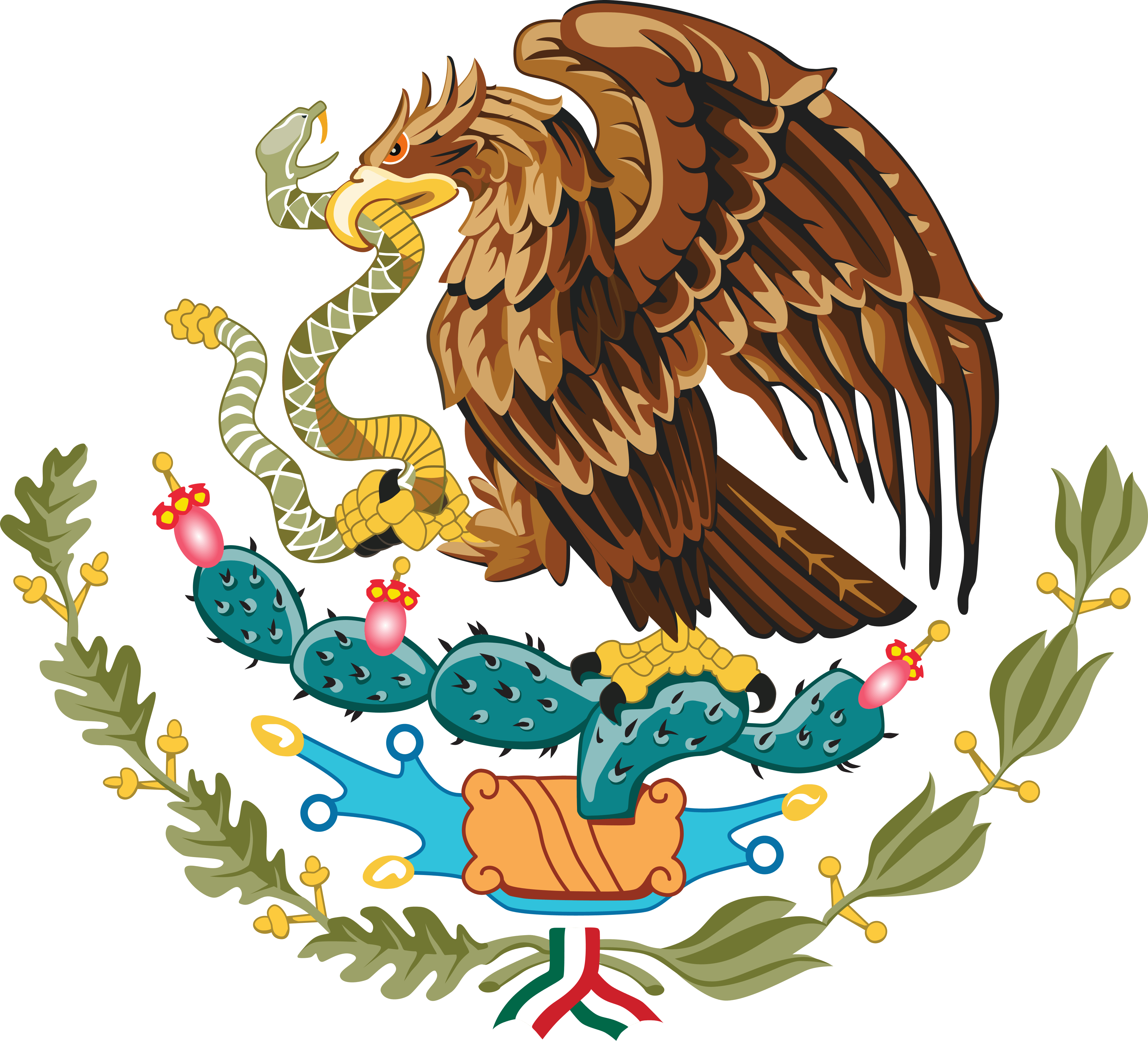
Coat of arms of Mexico – Download SVG
Mexico’s coat of arms is one of the most striking national symbols ever created.
At its center is a golden eagle standing on a cactus while devouring a rattlesnake. This dramatic scene comes from an Aztec legend that guided the founding of the ancient city of Tenochtitlán, now Mexico City.
Few national emblems communicate strength and mythological heritage quite as powerfully.
Zambia
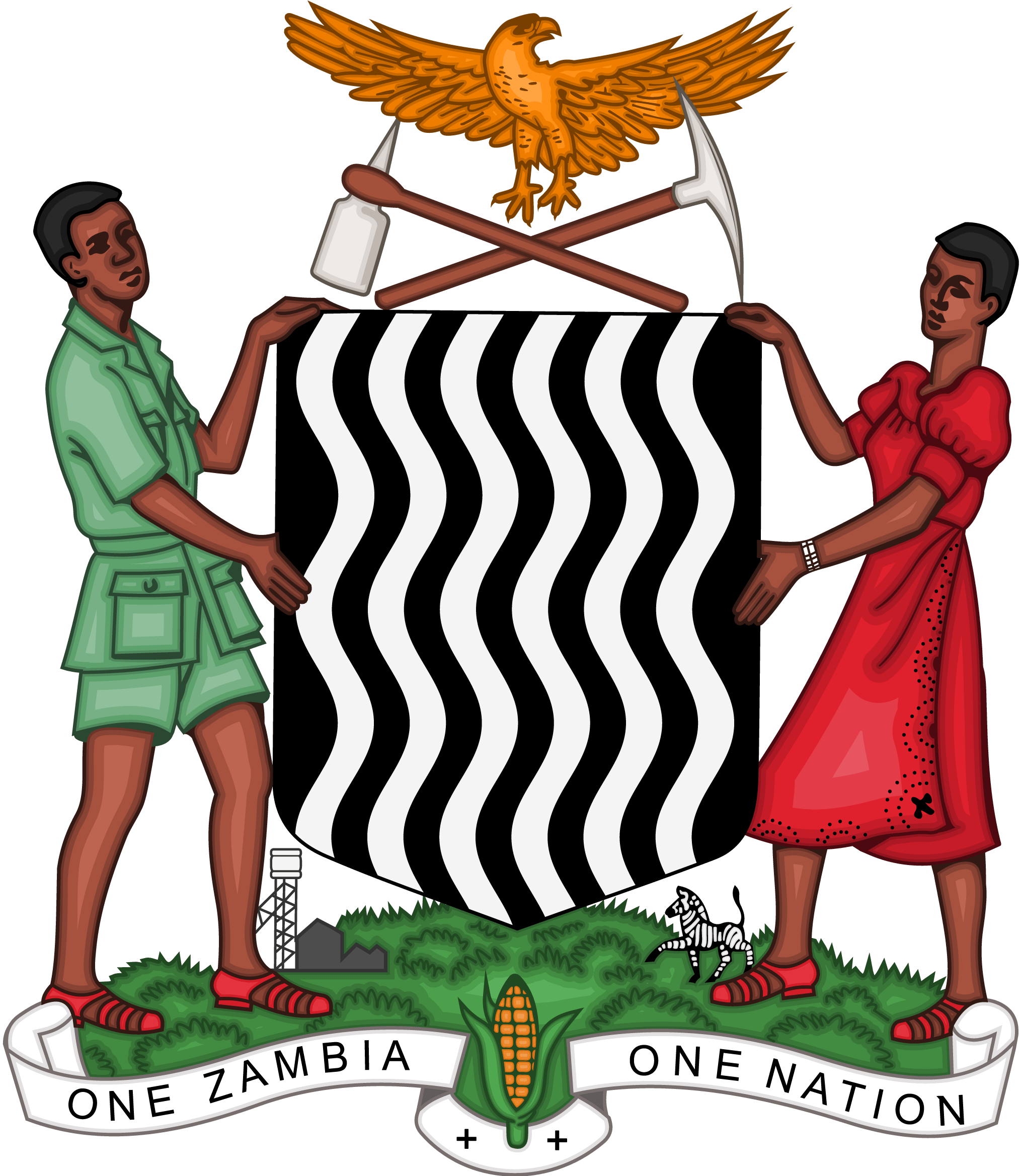
Coat of arms of Zambia
Zambia’s coat of arms takes a more balanced and human-centered approach.
A man and woman stand beside the shield wearing traditional clothing, representing the people of the nation. Beneath them appears the majestic Victoria Falls, one of Africa’s most famous natural landmarks.
A small zebra also appears near the supporters — a subtle yet charming detail that adds character to the design.
South Georgia and the South Sandwich Islands
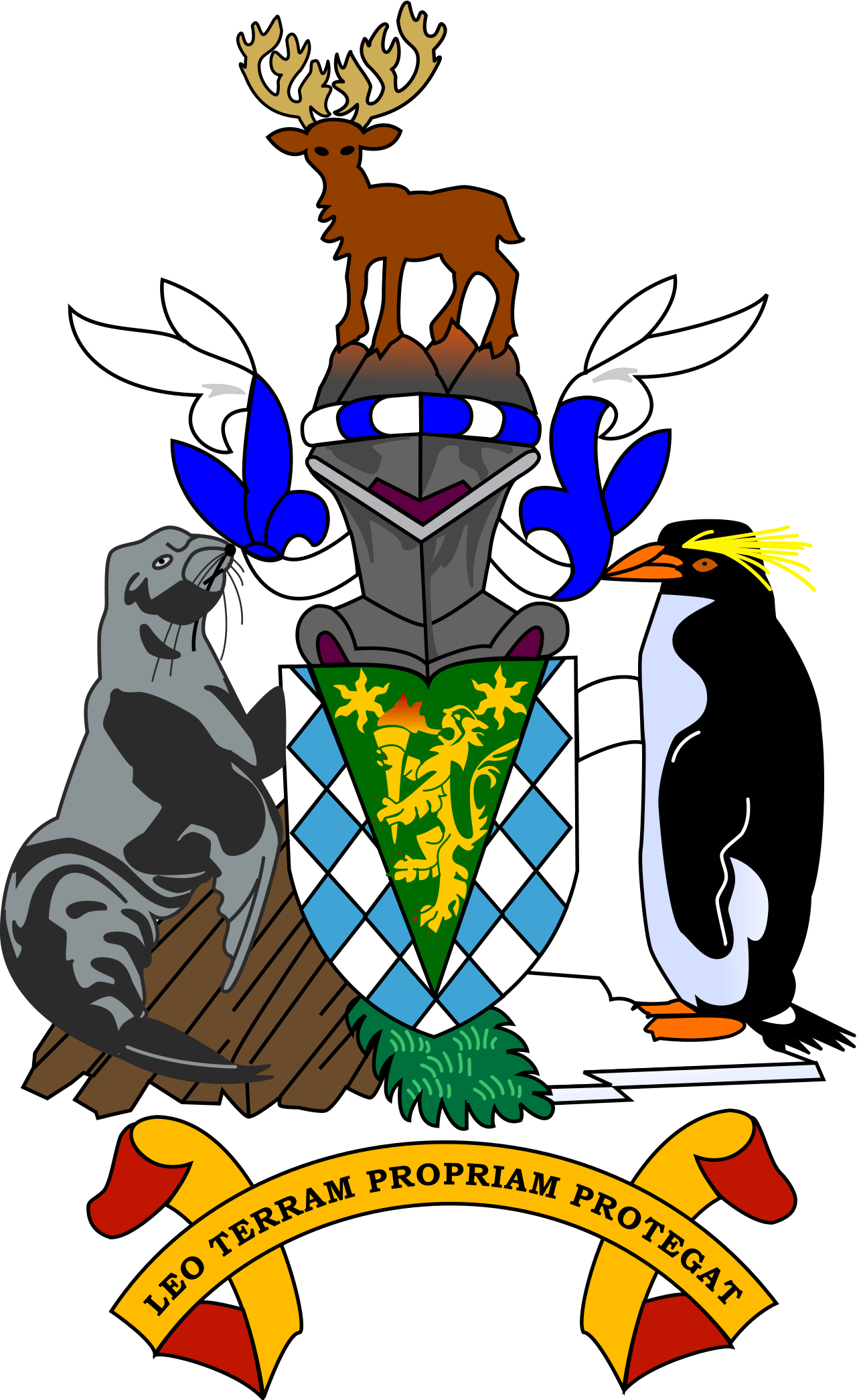
Coat of arms of South Georgia and the South Sandwich Islands
This remote British territory has one of the most unusual coats of arms.
A fur seal and a penguin act as supporters of the shield, perfectly reflecting the wildlife of the South Atlantic islands. Above the shield stands a reindeer crest, symbolizing the reindeer once introduced to the islands.
It’s a playful yet distinctive emblem that captures the wild nature of the territory.
Panama
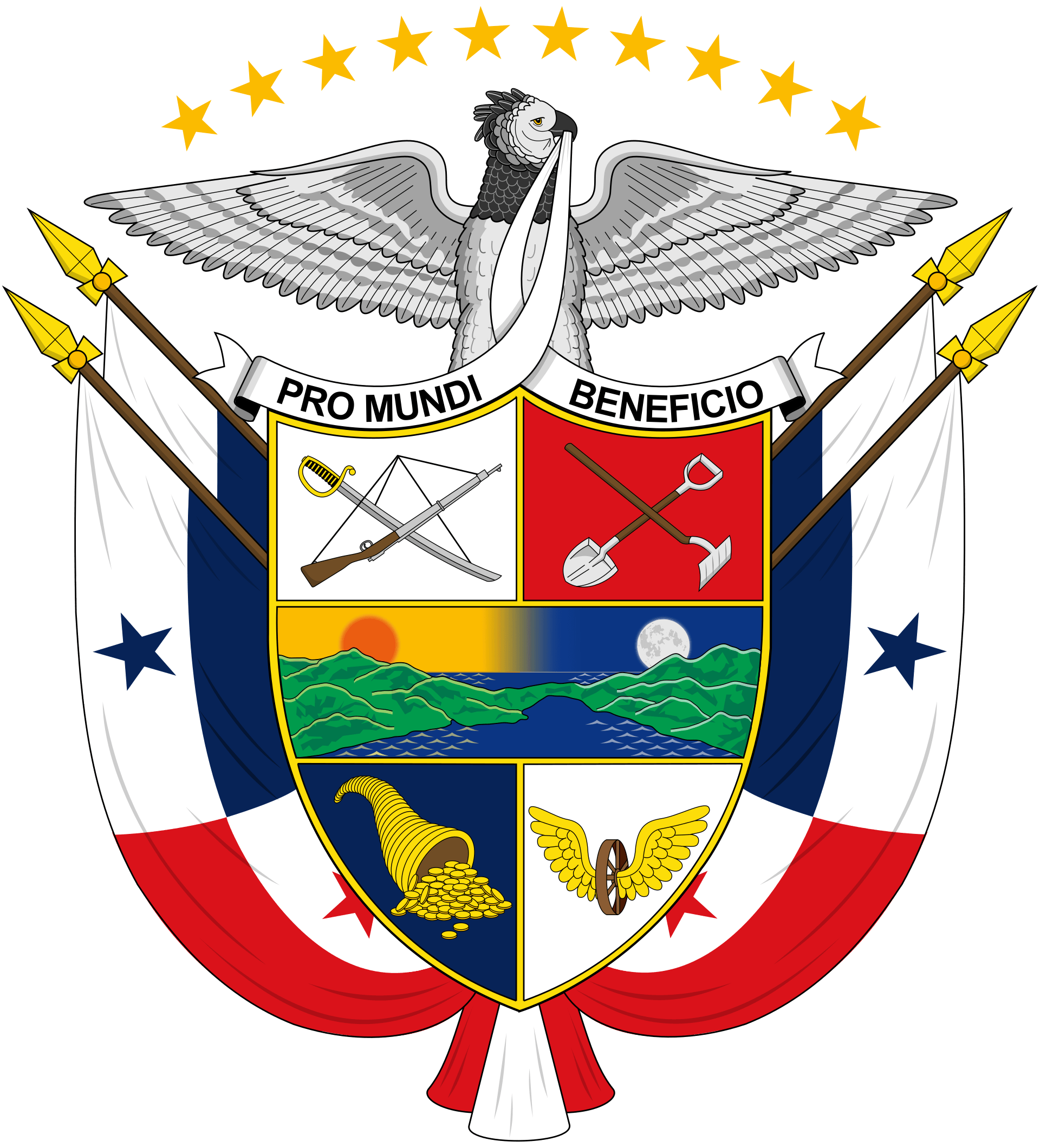
Coat of arms of Panama
Many national coats of arms prominently feature weapons. Panama takes a different approach.
The crossed swords and rifles appear hanging, representing tools of the past rather than symbols of conflict. Instead, the shovel and pickaxe highlight the country’s labor and engineering heritage — especially its connection to the Panama Canal.
The design also cleverly depicts the geography of Panama as seen from the sea.
Thailand
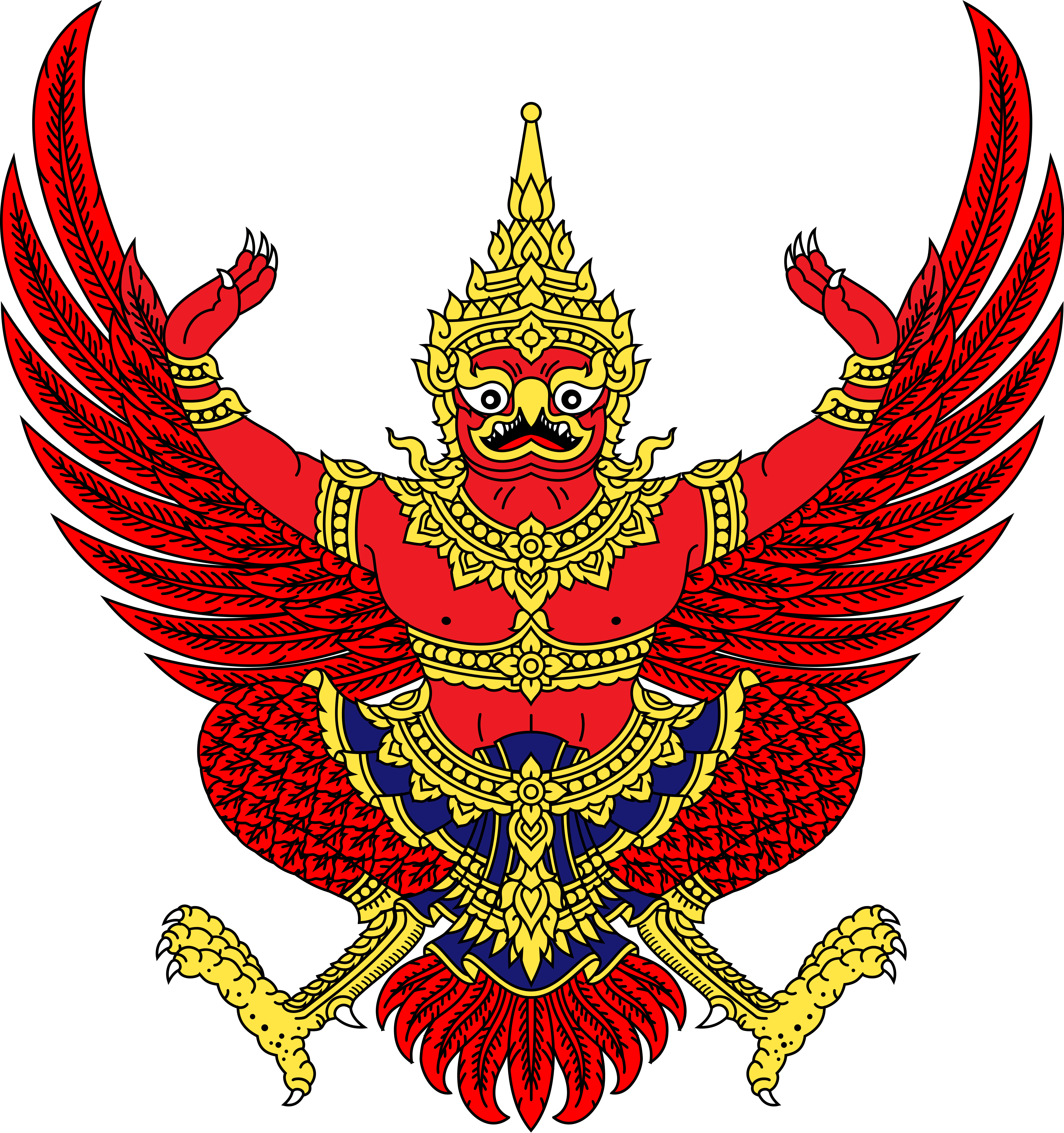
Emblem of Thailand
Thailand’s national emblem features the Garuda, a powerful mythical creature from Hindu and Buddhist mythology.
Garuda is traditionally the mount of the god Vishnu and is known as a fierce enemy of the serpent-like Naga. In Thailand, the Garuda symbolizes royal authority and divine power.
The striking red Garuda emblem remains one of the most recognizable national symbols in Asia.
Mauritius
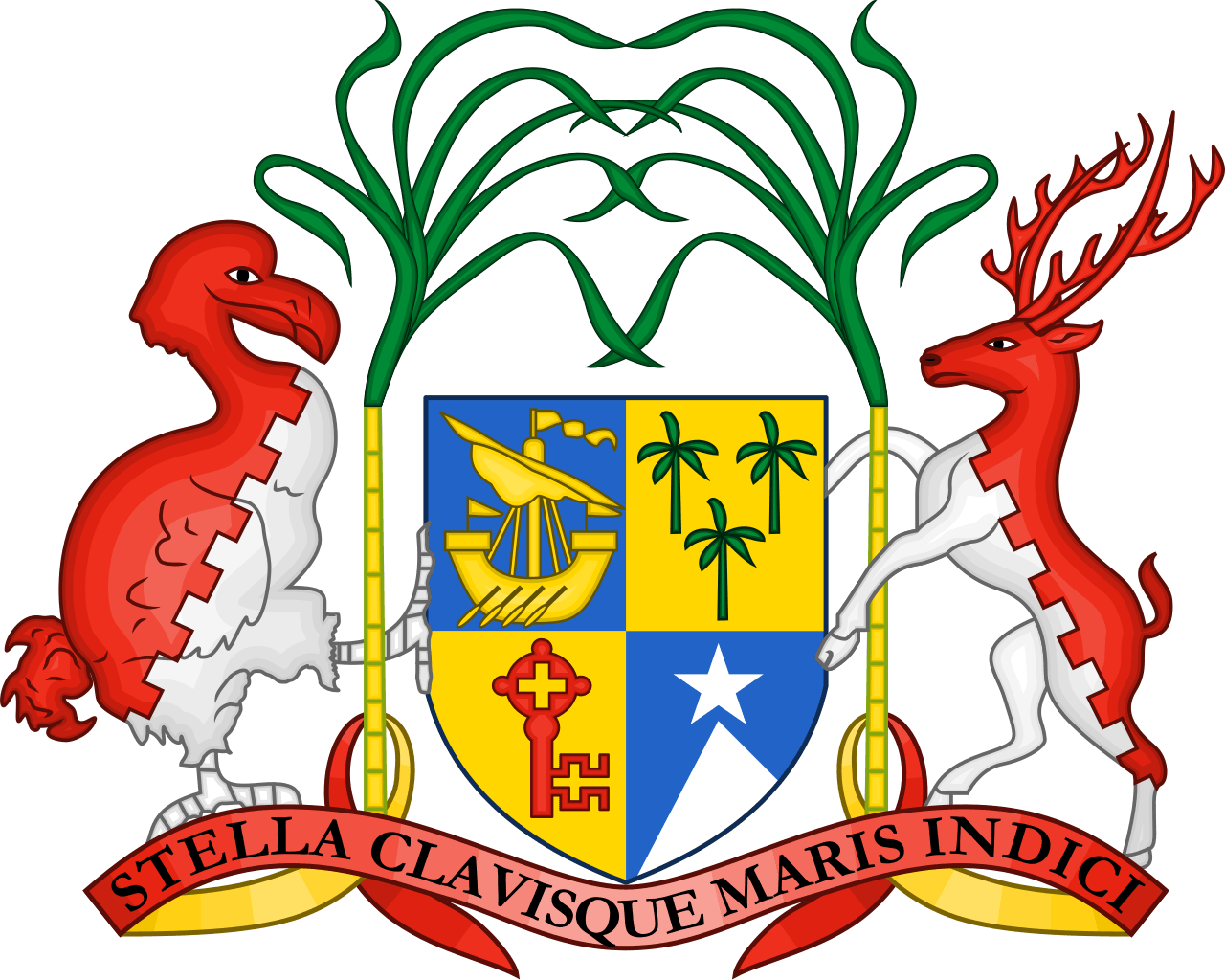
Coat of arms of Mauritius
Mauritius proudly features the dodo on its coat of arms — an extinct bird that once lived on the island.
Although the dodo disappeared centuries ago, it has become one of the most famous symbols of extinction and evolution. The coat of arms also includes sugar cane, reflecting the island’s historical agricultural economy.
It’s a bold choice that turns a lost species into a national icon.
North Korea
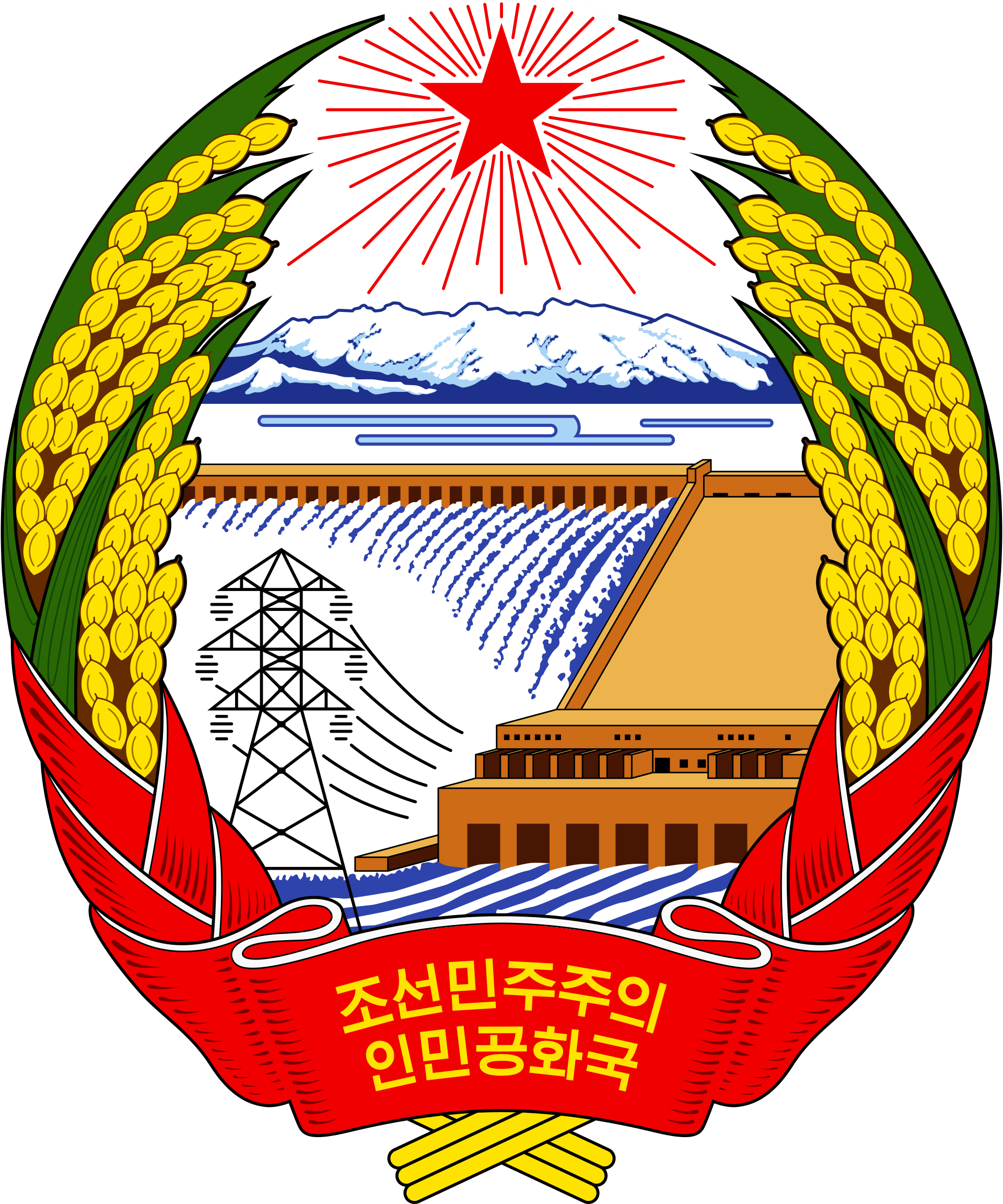
Emblem of North Korea
Many modern socialist states developed their national emblems during the 20th century, when graphic design principles were already well established.
North Korea’s emblem focuses on industry and agriculture. A hydroelectric dam appears in the background, surrounded by rice plants and a red star.
The imagery reflects themes of energy production, farming, and national development.
Laos

Emblem of Laos (1991-2025)
Laos takes the industrial symbolism even further.
Its national emblem includes a dam, rice fields, forests, roads, and the famous Pha That Luang stupa — one of the country’s most important religious landmarks.
Few national emblems attempt to represent so many elements of everyday life.
Finland
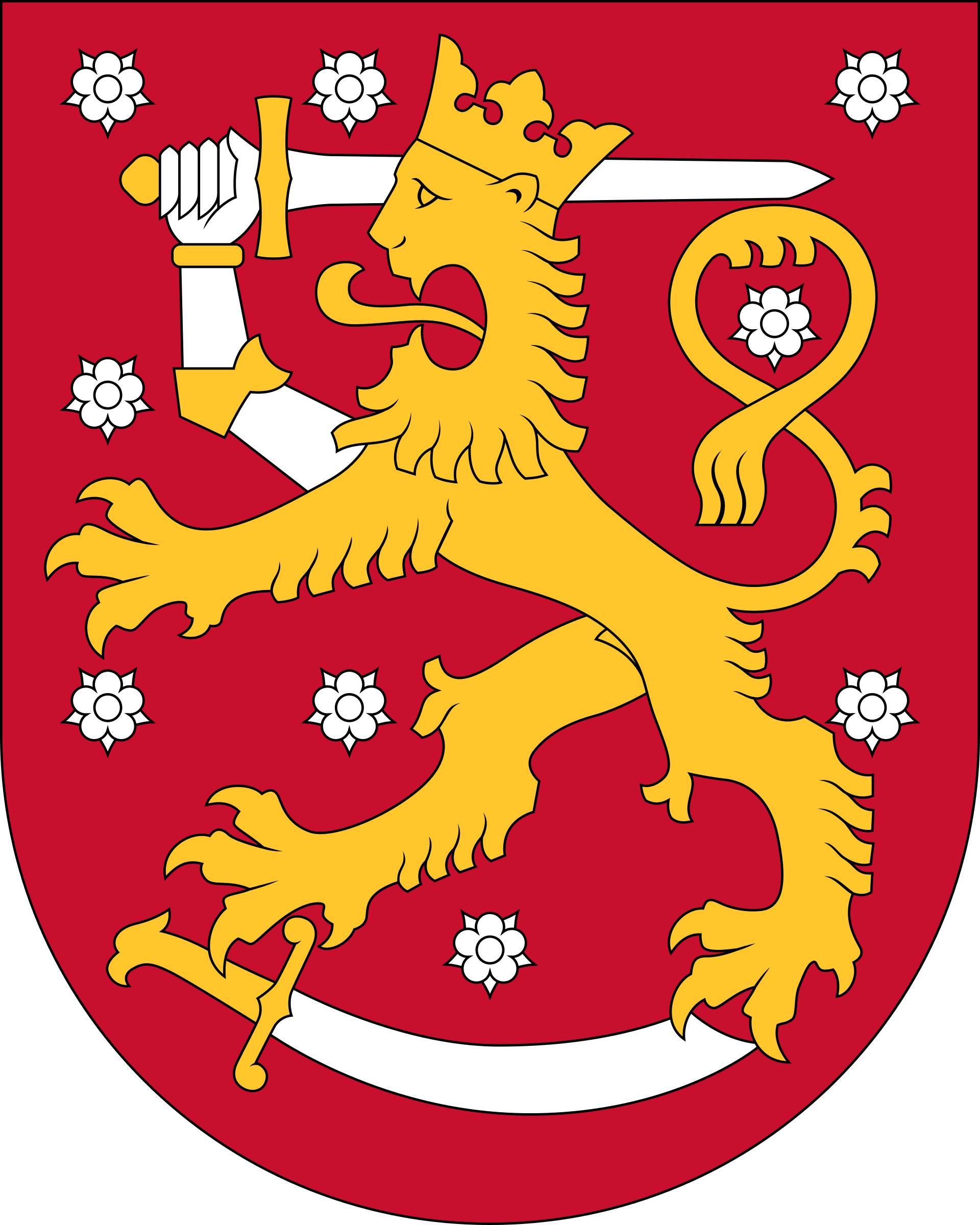
Coat of arms of Finland
Finland’s coat of arms features one of the most unusual lions in heraldry.
The crowned lion has a human-like face, holds a sword, and tramples a curved saber beneath its armored paw. Surrounding the shield are nine white roses.
The dramatic medieval style reflects centuries of Nordic heraldic tradition.
Italy
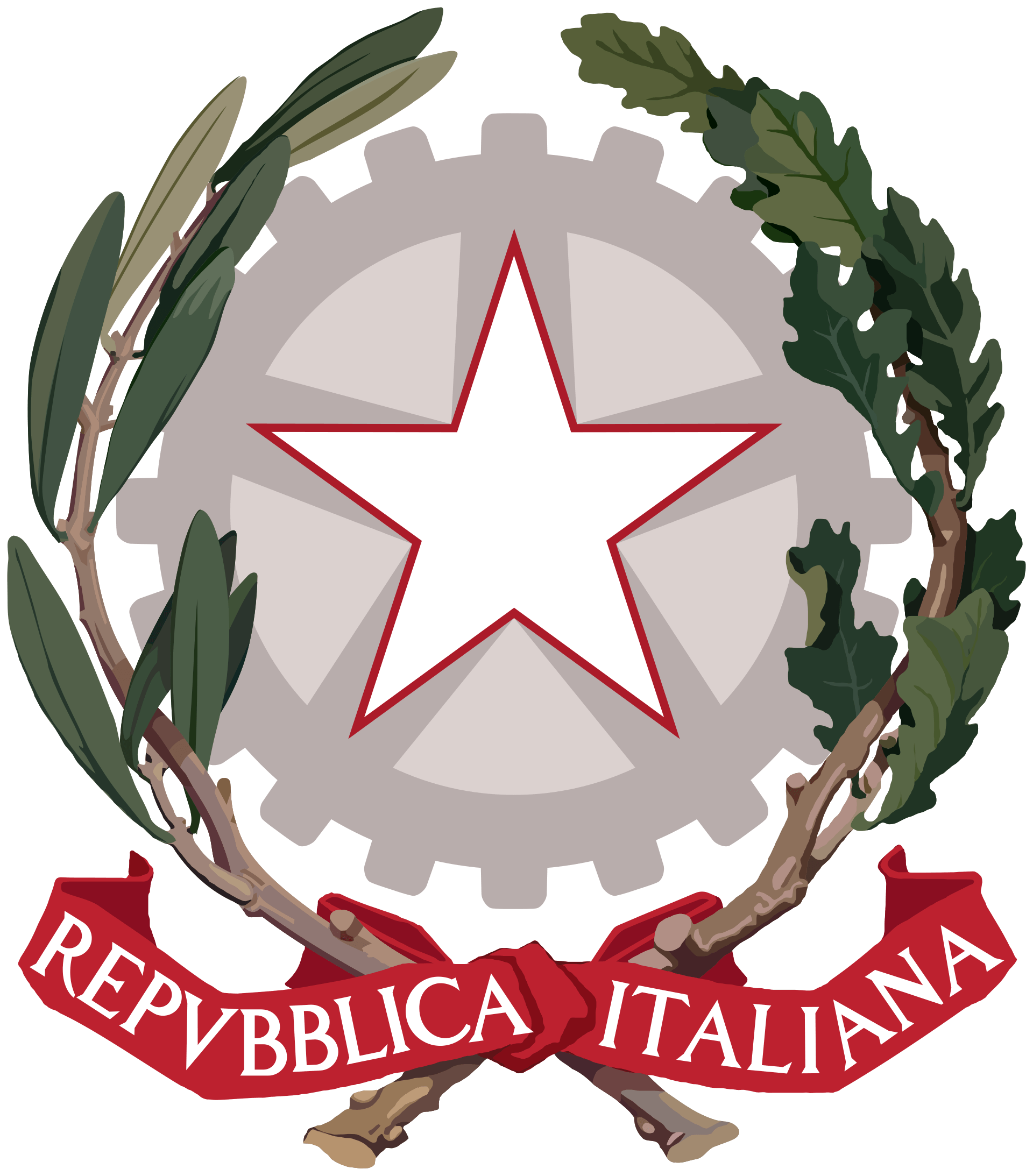
Emblem of Italy
Italy’s modern emblem is a striking departure from traditional heraldry.
At its center is a star placed over a gear wheel, symbolizing the republic and the importance of labor. The gear is framed by olive and oak branches, representing peace and strength.
The mechanical symbolism gives the emblem a surprisingly modern, almost industrial aesthetic.
Jamaica
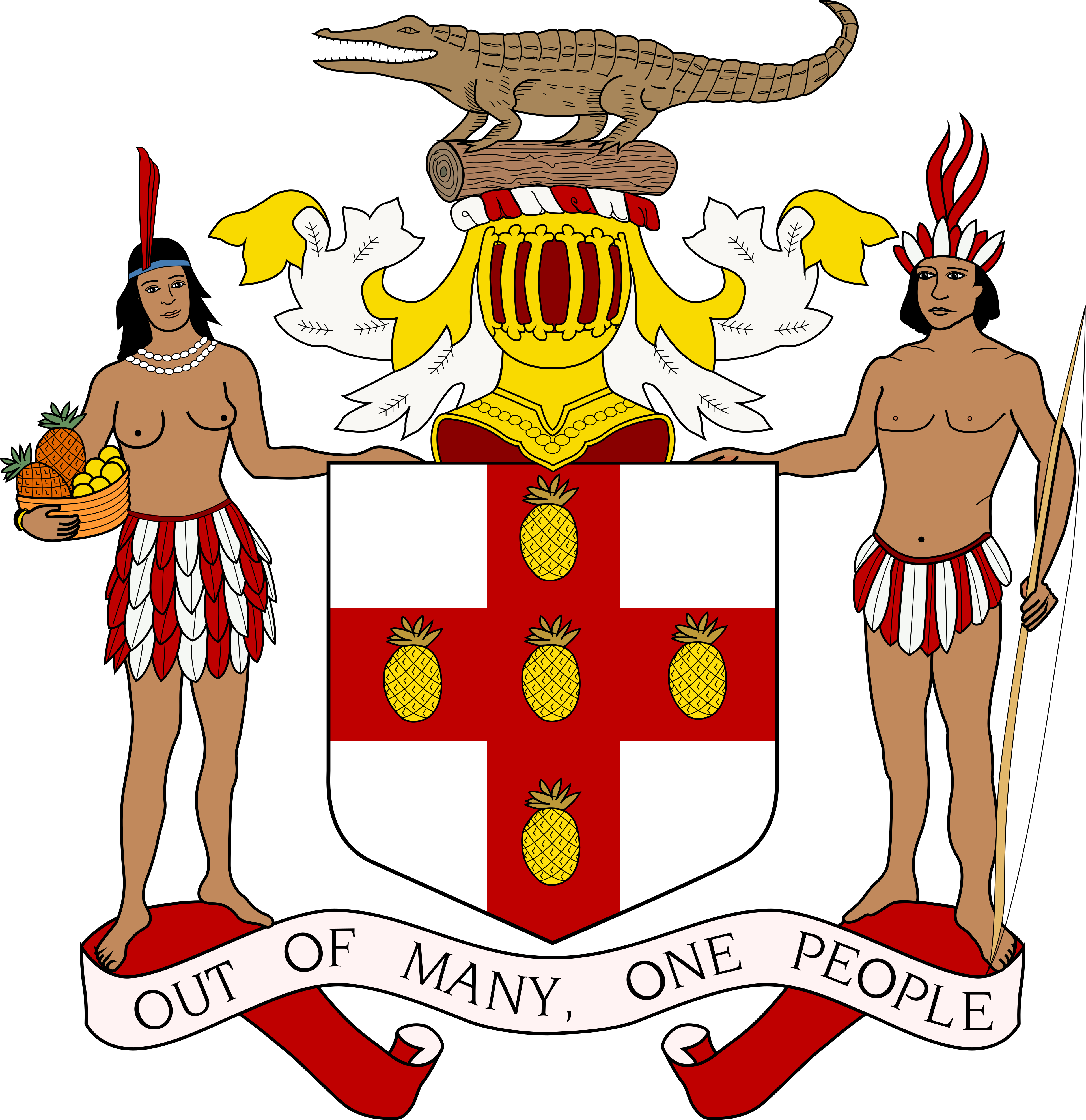
Coat of arms of Jamaica
Jamaica’s coat of arms stands out for its unique imagery.
A crocodile sits atop the crest, while a man and woman in traditional attire support the shield. Pineapples decorate the design, reflecting the island’s tropical agriculture.
The motto, “Out of Many, One People,” celebrates Jamaica’s diverse cultural heritage.
British Indian Ocean Territory
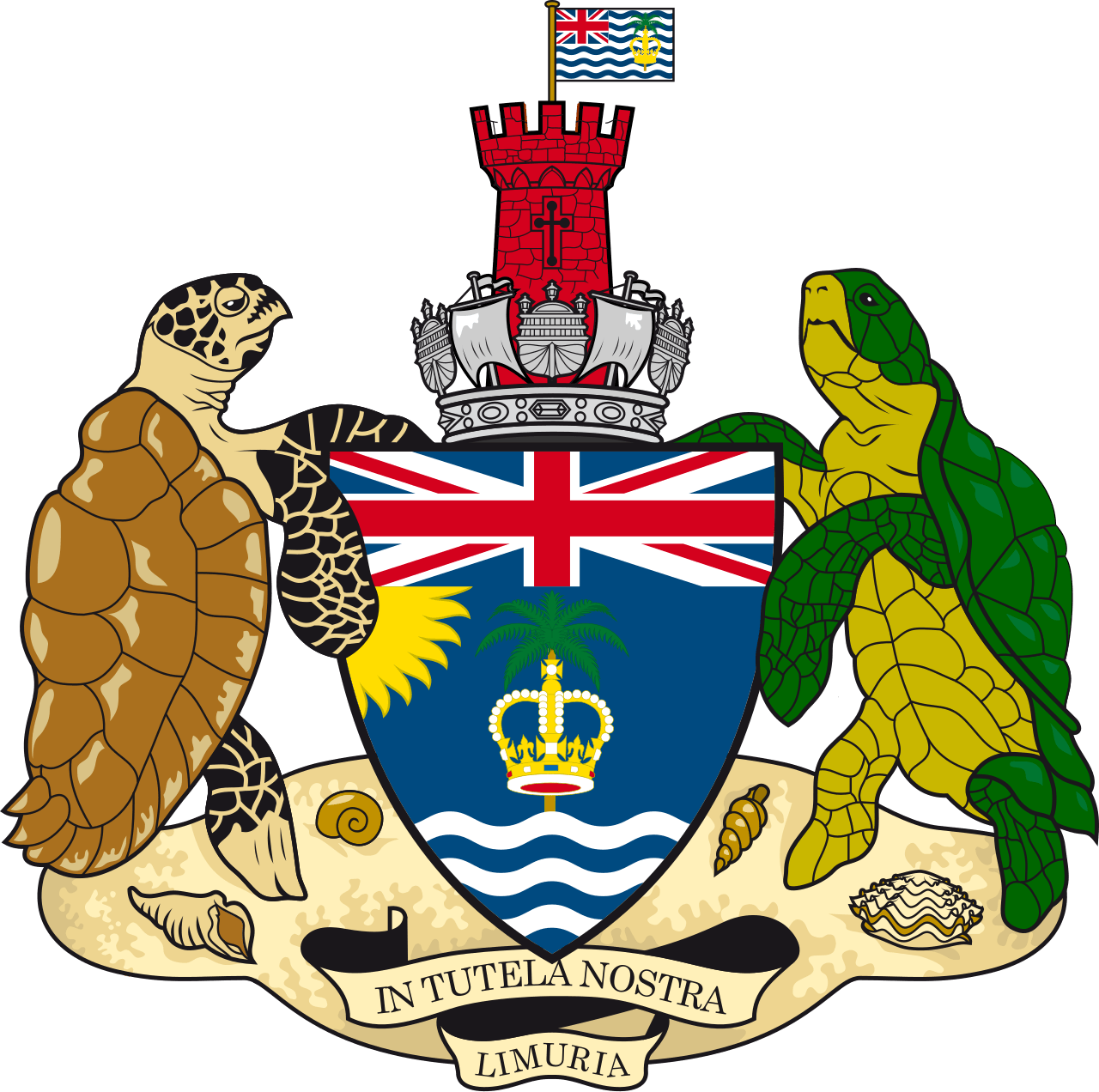
Coat of arms of the British Indian Ocean Territory
One of the most curious coats of arms belongs to the British Indian Ocean Territory.
Two upright sea turtles support the shield — a rare sight in heraldry. A crown-like silver ring surrounding a tower adds an unusual architectural element to the design.
The emblem perfectly reflects the territory’s remote island identity.
Botswana
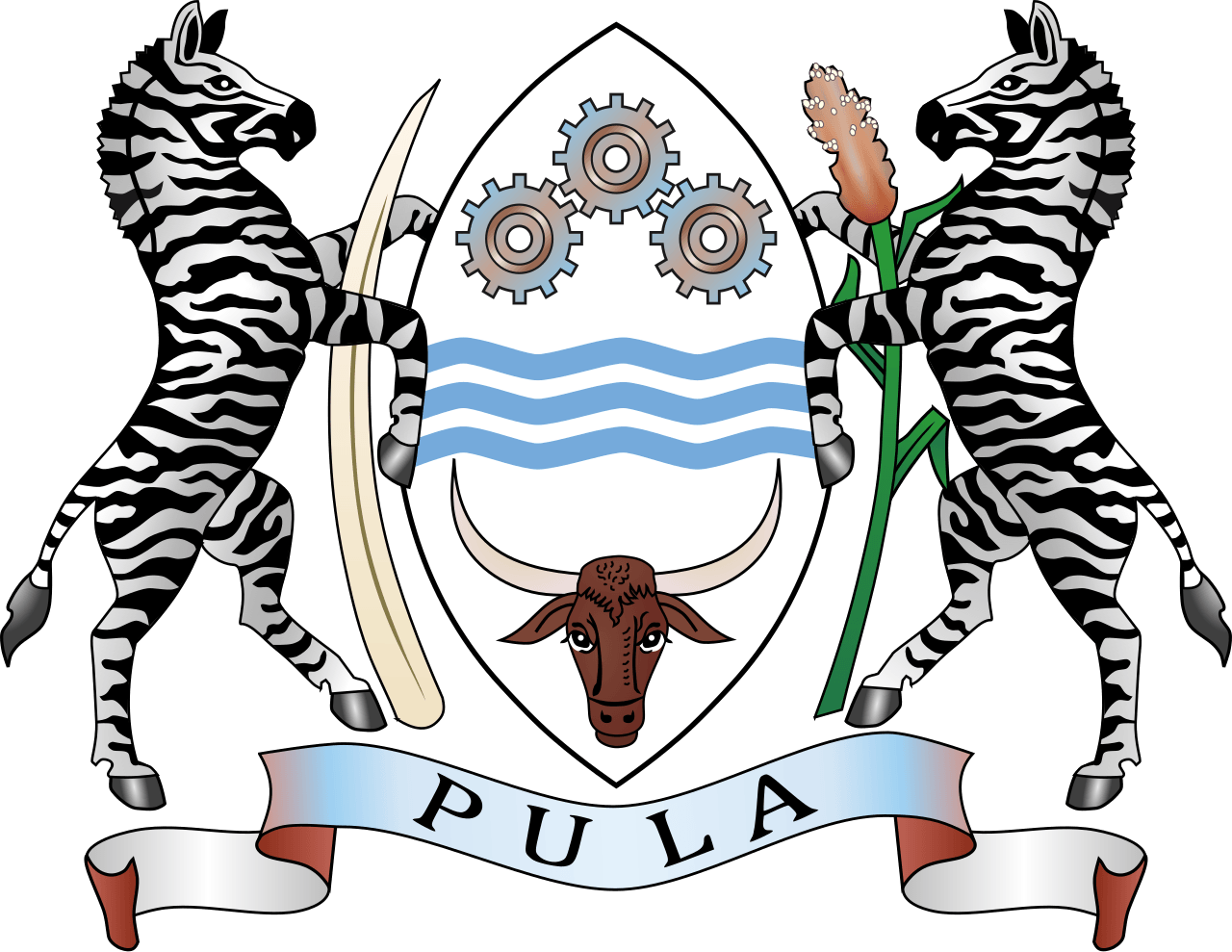
Coat of arms of Botswana
Botswana’s coat of arms features two zebras supporting a shield decorated with agricultural and industrial symbols.
The gear represents industry, while the wave pattern symbolizes water — a precious resource in the country’s semi-arid climate.
The design is simple but highly memorable.
New Zealand
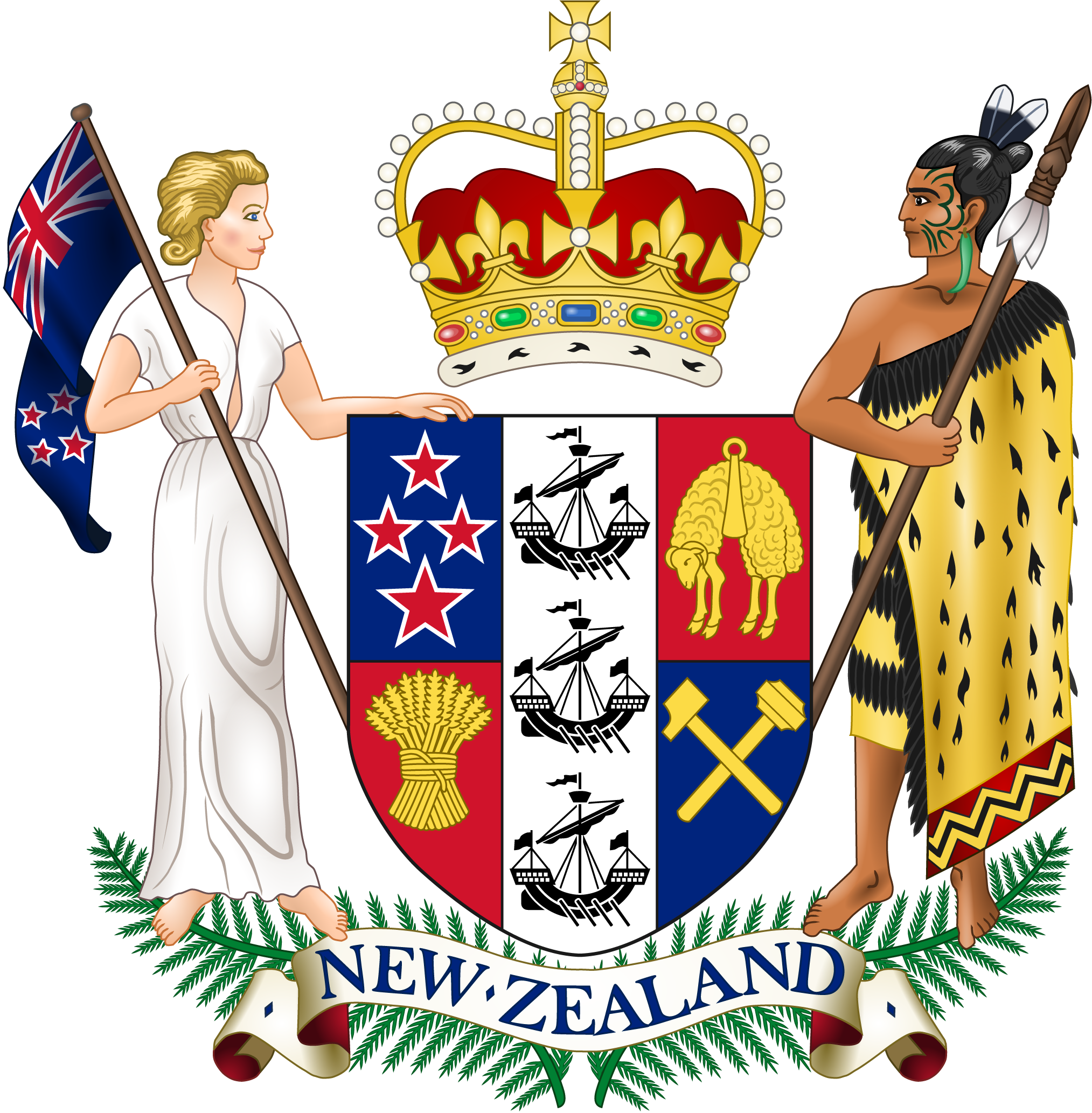
Coat of arms of New Zealand
New Zealand’s coat of arms is often praised for its balanced symbolism.
A European woman and a Māori man stand on either side of the shield, representing the partnership between cultures that helped shape the country.
Inside the shield appear the Southern Cross constellation, ships representing trade and migration, and tools symbolizing agriculture and industry.
It’s a thoughtful combination of natural and cultural identity.
The Power of Heraldic Design
Coats of arms may be centuries old, but they remain some of the most powerful examples of symbolic design.
Each one tells a story — about a nation’s history, environment, culture, and aspirations.
While modern branding often favors minimalism, these historic emblems remind us that symbolism and storytelling have always been at the heart of visual identity.
__
References:
- Content inspiration from Sparrow & Dove – sparrowdove.com.
- Additional information from Wikipedia – https://www.wikipedia.org