Why Does Manchester United Have a Devil in Its Logo?
Manchester United’s crest is one of the most recognizable symbols in world football. At its center is a red devil holding a three-pronged pitchfork, an image closely connected to the club’s famous nickname: The Red Devils.
Although the symbol now feels inseparable from Manchester United, it was not part of the club’s earliest identity. Its history is linked to Manchester’s civic heritage, a nearby rugby league team, and Sir Matt Busby’s efforts to create a stronger image for his side.
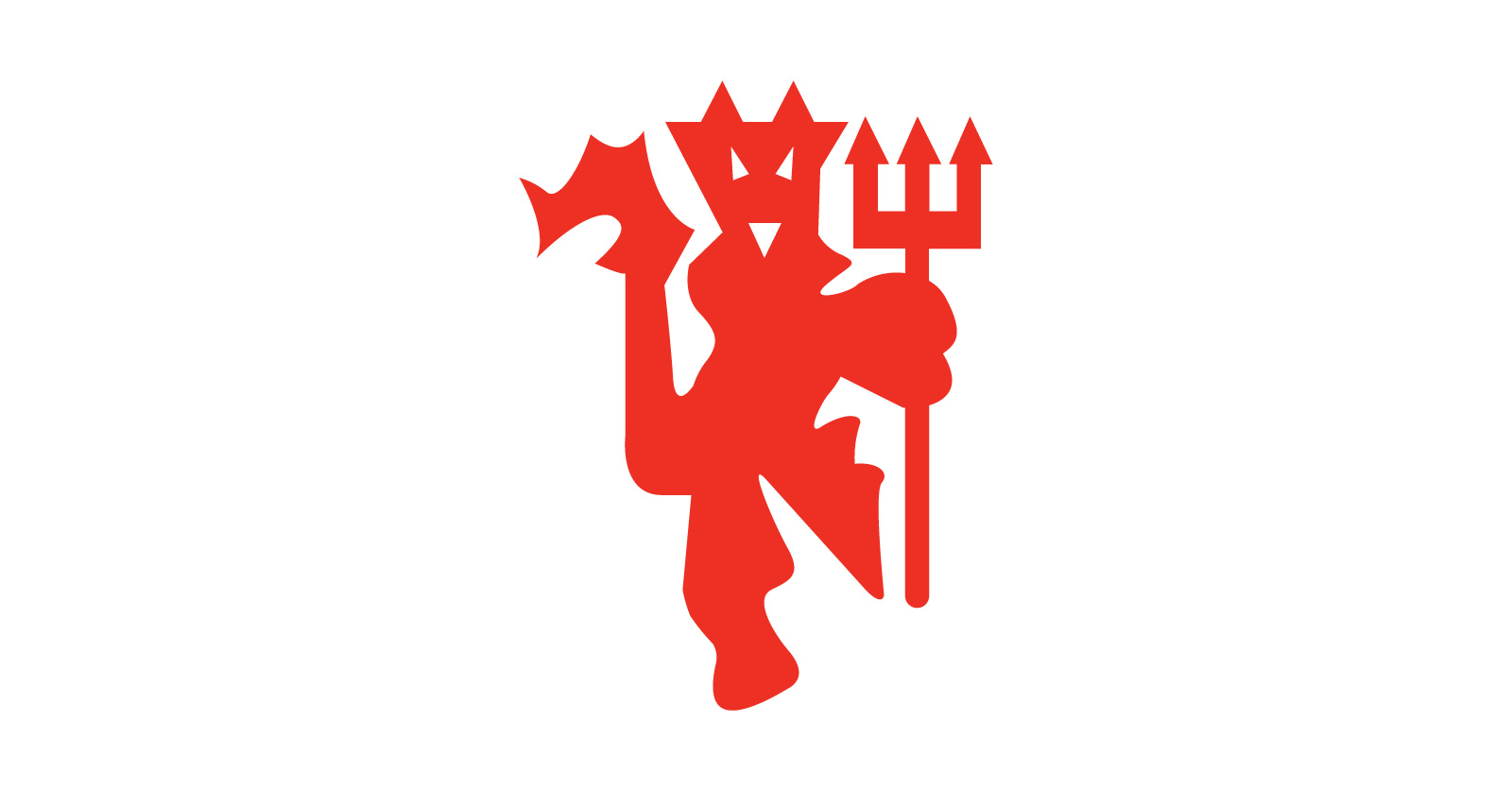
The Red Devils — Manchester United’s iconic nickname and the inspiration behind the devil symbol in the club crest.
From Newton Heath to Manchester United
Manchester United was founded in 1878 as Newton Heath L&YR Football Club by workers from the Lancashire and Yorkshire Railway.
After facing financial difficulties, the club was reorganized and renamed Manchester United in 1902.
Early club badges were heavily influenced by the coat of arms of the city of Manchester. This explains why a sailing ship still appears at the top of the modern crest. The ship represents Manchester’s historic connections with trade, industry, and the Manchester Ship Canal.
The red devil, however, came from a different source.
Where Did the Red Devils Nickname Come From?
Before Manchester United became widely known as the Red Devils, the club’s successful young team of the 1950s was famously called the Busby Babes.
The nickname reflected the youth and talent of the squad developed under manager Sir Matt Busby. The team won consecutive English league titles in 1956 and 1957 and was considered one of the most exciting sides in European football.
That generation was tragically affected by the Munich air disaster on February 6, 1958. Twenty-three people died as a result of the crash, including eight Manchester United players.
As the club rebuilt, Busby wanted an identity that sounded more powerful and intimidating than the youthful Busby Babes nickname.
He found inspiration close to Manchester.
The nearby Salford rugby league team had been nicknamed Les Diables Rouges, meaning “The Red Devils,” by the French press following a successful tour of France in the 1930s.
Busby reportedly liked the name, and Manchester United gradually adopted the Red Devils nickname during the 1960s.
It soon appeared in club publicity, matchday programs, scarves, and other supporter merchandise, strengthening the association between Manchester United and the red devil.
When Was the Devil Added to the Manchester United Logo?
Manchester United’s earliest badges were mainly based on Manchester’s coat of arms. Later versions introduced a simplified shield featuring the city’s sailing ship and diagonal stripes.
During the early 1970s, the club began turning the Red Devils nickname into a permanent visual symbol.
The striped section in the center of the badge was replaced by a red devil holding a pitchfork. Footballs were also added on either side of the crest.
By 1973, the devil had become the defining feature of the Manchester United badge.
Although the logo has been refined several times since then, its main elements have remained recognizable:
- the red and yellow color scheme;
- the sailing ship representing Manchester;
- two footballs;
- and the red devil holding a pitchfork.
One of the most notable modern changes came in 1998, when the words Football Club were removed from the lower banner. The crest was simplified to display only the Manchester United name.
What Does the Red Devil Symbolize?
The devil in the Manchester United logo does not have a religious meaning.
It is primarily a visual representation of the club’s Red Devils nickname. The symbol was chosen to project strength, confidence, competitiveness, and an intimidating presence.
Over time, the figure became more than a decorative part of the badge. It developed into a recognizable symbol in its own right and is now used across shirts, training wear, merchandise, social media graphics, and promotional campaigns.
The design is effective because it is simple, distinctive, and directly connected to the club’s identity.
Even without the Manchester United name, many football supporters can immediately recognize the red devil and its pitchfork.
A Symbol Recognized Around the World
Manchester United did not originally have a devil in its logo.
The symbol developed from the Red Devils nickname adopted during the Sir Matt Busby era and became a permanent part of the club crest in the early 1970s.
Today, the red devil is one of the most recognizable symbols in world football. Together with the sailing ship, shield, and red-and-yellow colors, it connects Manchester United’s local history with the global identity the club has built over generations.